

No products in the cart.
Choosing a Rug
Strategic inquiries are the compass that guides well-informed judgments in the search for the ideal rug. This is a road map to help you along the way:
Location Is Important:

Adjust durability based on the volume of traffic.
Room Traffic
Discover rugs made to withstand the weather.
Inside or outside:
Rational Rug Selections:
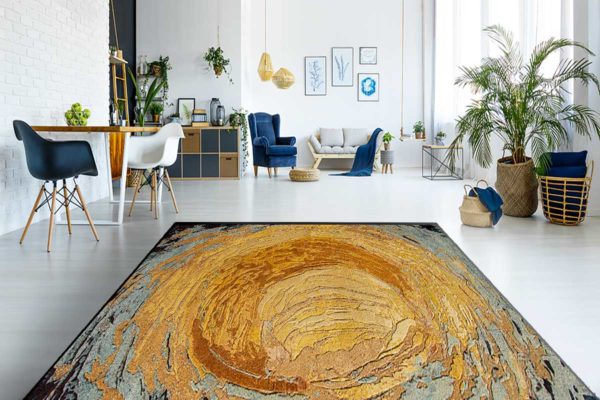
Focal Point Creation
Add color to create focal points that draw the eye.
Floor Protection:
For improved floor shielding, select strong fibers.
Comfort and Insulation:
Choose fabrics that provide excellent comfort and insulation for your feet.
Considering the Budget:
Step Into Luxuria: Recognize the differences in price between flat-weave and hand-knotted rugs.
In harmony with the décor:
Current Style: Choose a rug that complements the room's current design. Color Palette: Make sure it complements the dominant color scheme.
Handmade vs. Machine-Made: Have you ever wondered why buying a handmade rug is preferable to a manufactured one? Handmade carpets become one-of-a-kind, dynamic works of art imbued with profound emotional and cultural meaning. On the other hand, mass-produced, machine-made carpets lack the individuality and consistency that come with each painstakingly constructed handmade rug.
Majestic Hand-Knotted Rugs: Transport yourself to a time of grandeur, when Babur introduced carpet weaving to India and it flourished under Akbar’s tutelage. Indian creativity blended with the elaborate Mughal carpets made for palaces to create one-of-a-kind, opulent works. This tradition is carried on by Jaipur Rugs, which blends modern designs with the lives of weavers.
Lighting and Color Accuracy: Taking into account that various fibers reflect light differently, think about how lighting affects how colors are perceived. Recognize that printed and screen photos might not accurately reflect the dyed fiber; therefore, physical rug samples should be relied upon.
Typical Traps to Avoid:
Selecting a Small Rug: To avoid giving the impression that the space is smaller, choose a rug that grounds the furniture.
Ignoring Wall-to-Wall Carpeting: Use layering to improve and harmonize the look of your space.
Selecting a Rug Last: The rug sets the tone for the room, so the furniture can flow naturally from it.
Ignoring the Rug Pad: Use a non-slip rug pad to put comfort and safety first.
Amazing Facts about Handmade Rugs:
A single rug goes through 186 different hands and 86 different processes to become a thread jewel.
A 6 by 9-foot rug requires many hours of weaving—weavers need six to nine months to finish one.
A community of 3000 rural spinners is supported by each rug.
Any unique rug is an exquisite example of the painstaking workmanship of its weaver, who may tie up to 196 knots in one square inch.
When properly maintained, handmade rugs age gracefully and grow in their value.
When selecting a handmade rug, you are embracing much more than just a floor covering—a timeless work of art that brings together sustainability, workmanship, and culture.
Dyeing and Color
Rug dyeing is a centuries-old art form that goes beyond simple color application; each thread is given life and personality via this painstaking process. The journey starts with a thoughtful yarn choice, where color and texture blend to establish the spirit of the rug.
We separate lighter wool for dreamier shades and darker wool for richer, deeper tones in this elaborate dance of color, realizing that texture is a silent judge of quality in and of itself. The combination of various wool blends moderates the rug’s tactile qualities, which range from plush luxury to tough toughness.
Our rainbow of hues is the result of painstakingly combining raw pigments from leading manufacturers in the field, Colourtex, and Huntsman. We not only provide a wide range of colors with our palette of over 3000 shades, but we also encourage personalization, so every rug can reflect your vision. Our use of GOTS (Global Organic Textile Standard) certified dyes, from which colors flow seamlessly, ensures lifespan without bleeding or affecting yarn integrity, is another way that we demonstrate our dedication to sustainability.
Color and Dyeing Procedures:
Abrash/Antique: Characteristic carpets with inherent variances result from each batch of yarn, which ages beautifully with the natural evolution of wool.
The technique of weaving two colors into a harmonious dance, known as mottling, gives the yarn an oscillating color impression, depth, and intrigue.
Overdyed Rugs: This Turkish process, which combines shearing, wool-eating, and color-fading washes, gives fresh life to old or new rugs by fusing modern vibrancy with classic motifs.
Solution Dyeing: During the coloring process, pigments are absorbed by synthetic fibers, which strengthens them against fading and ensures long-lasting brilliance. a striking alternative to piece dyeing or regular yarn.
Space Dyeing: A technique whereby two or more colors are repeated down the length of the thread to paint a canvas of multicolored yarn, revealing a delicate yet surprising pattern on the completed rug.
Tie-Dyeing: An intended intentional irregularity that resembles the endearing Abrash effect, achieved by tying and retieing yarn before dying.
Undyed Wool: This variation embraces the unadulterated beauty of nature by leaving wool untreated, letting its inherent qualities show through, and producing a genuinely one-of-a-kind natural fiber rug.
We take rug dyeing beyond skill to a symphony of artistry, history, and innovation, effortlessly woven into each thread to grace your space with everlasting elegance. This is achieved in every dip, infusion, and stroke.
Color
Selecting a rug color is more than just a matter of taste; it’s a conscious choice that shapes the atmosphere and tone of your home.
Beige & Brown: Rooted and earthy, brown hues represent stability and dependability, grounded in their ties to the planet. Living spaces, bedrooms, and dining areas can benefit from a variety of these colors, which range from hearty and inviting darker browns to healthy serenity of lighter, neutral tones.
Blue: With its understated, calming effect, blue captivates. It is a symphony of softness and peace. Bright blues that are electrifying provoke, yet soft blues that are contemplative encourage reflection. Sufficiently adaptable for the living room, dining room, bedroom, and tasteful aisles.
Red and Orange: Red is a color associated with passion, activity, and energy; on the other hand, orange radiates warmth, nurturing, and welcome. Red is defined by boldness and confidence. Vibrant oranges and reds energize rooms like living rooms and kitchens, while darker hues give social areas a calming sense of exoticism.
Grey and Black: Both black and grey are traditional colors that are classy and timeless. Elegant and subtle, they blend in with other colors or establish a tone palette with ease. Perfect for the bedroom, dining room, and living room.
Ivory: Calm and serene, white is a classic hue that works well with its striking counterpart, black. White is elegant and relaxing; it can be used as a base color or to create a tranquil effect in a room. White in living rooms and bedrooms harmonizes with the desired emotion, whether the space is exuberant or quiet.
Pink and Purple: While pink is associated with warmth and innocence, purple conjures up images of royalty. Both colors are rich and captivating. Rich purples can be opulent and dramatic, or softer lilacs and pinks can be calming and reassuring. These colors bring richness to any space.
Gold: Vibrant and upbeat, yellow is the hue of the optimist, creating a forceful and cheery impression. Rich yellows are inherently invigorating and tend toward warmth rather than overt stimulation.
Green: Calm and calming, green takes its cues from the natural world to provide a sense of equilibrium and rootedness. Bright and light greens radiate energy appeal, while lush, rich greens suggest verdancy. Ideal for living rooms, bedrooms, and aisles.
With this striking color scheme, every decision you make becomes a brushstroke, allowing you to create the feelings and sensations you want in your room. Select the color of your rug thoughtfully to orchestrate a symphony of impact and elegance in your home.
Sizing
Set off on the carpet-selection process prepared with information. Before you start shopping for rugs, measure the space in your area, taking into account any obstacles like door openings.
When it comes to rug sizing, the general rule is: that bigger is usually better. If the rug is too small, the room may appear cluttered and unfinished. Go for a larger size when in doubt; it brings everything together seamlessly and promotes unity.
Follow the 18-inch rule—a trade secret among enthusiasts for interior design. To get just the right amount of space around the rug, leave around eighteen inches bare. However, feel free to modify this rule in smaller settings to make it more suited to your particular situation.
Embrace the freedom to experiment. While guidelines exist, they are merely a foundation. Don’t shy away from bending the rules to tailor the rug selection to your distinct taste and the individuality of your space. After all, the art of rug placement is a creative endeavor that should reflect your style and elevate the aesthetics of your surroundings.